Our Story and Mission.
UNDERSTANDING CONTINUOUS SUPPORT
WHILE YOU ARE IN CONFLICT
OUR STORY AND MISSION
Subaka was not born from a marketing idea, a boardroom session or a clean desk with a nice coffee machine next to it.
Subaka was built from pressure. Real pressure. War pressure, family pressure, digital pressure, physical pressure and the practical need to keep people functioning when the systems around them become unstable.
The work behind Subaka began long before it became a company in formation. It began as civilian support connected to the war in Ukraine, carried by Edward Nevada during a long mission that moved through frontline reality, family responsibility, documentation, communication, practical survival and the constant need to make things work when failure was not a luxury.
According to Edward Nevada’s mission record, the Ukraine civilian mission began on 22 November 2022 at 12:00, during the period when Colonel Leonid Khoda was commander of the 1st Separate Tank Brigade Siverska of the Armed Forces of Ukraine. The mission was successfully closed on 20 April 2026 at 21:59.
The full mission period lasted 41 months. Within that period, Edward Nevada spent approximately 32 months working almost continuously inside and near active war zone pressure, often within 0 to 25 kilometres of frontline pressure. For American readers, that is approximately 0 to 15.5 miles, or 0 to 27,300 yards.
Rotations were limited. During those 32 months, Edward Nevada returned to the Netherlands only three times for medical recovery, each time for approximately six weeks.
This was not a short visit, not symbolic volunteering and not distant support from a comfortable distance. It was long civilian work in and near active war conditions, where daily life depended on trust, delivery, communication, discipline, timing and practical decisions under severe pressure.
The work was civilian in nature. It involved documentation, digital communication, lawful practical coordination, civilian logistics, support connected to medical teams, rebuilding support, frontline routines, family communication, archive work, basic living support and daily practical support for people living and working under extreme circumstances.
It was not combat service, not military command, not intelligence work, not weapons support and not tactical planning.
Edward Nevada worked as a foreign civilian within the lawful limits that applied to him in and near an active war zone. The work remained focused on the freedom, safety and survival of Ukraine and its people, while respecting Ukrainian law, civilian boundaries, humanitarian principles and the legal limits that apply to foreign civilians.
In war, big words disappear quickly. What remains is simple. Food must arrive, communication must work, phones must be charged, people must be able to wash, families must receive messages and someone must be able to sleep, eat, recover and return to duty with a little more strength than before.
A kitchen is not only a kitchen. It is order, recovery and morale. A washing machine is not only a washing machine. It is dignity. A phone is not only a phone. It is the line between the front and home. A shower is not only hygiene. It is a short return to normal life.
That practical reality became the foundation of Subaka.
FROM MISSION TO SUBAKA
Subaka is being built from what became clear after Edward Nevada came home.
The mission created a large body of experience, documentation and practical lessons that needed to be handled properly. These lessons involved field experience, digital safety, privacy, communication problems, family pressure, physical recovery, archive responsibility, legal boundaries, public communication risks, documentation gaps and the need for calmer, safer and more reliable systems.
That is where Subaka begins.
Subaka is not a charity, not a political organization, not a military project, not an emergency rescue service, not a medical provider, not a legal practice, not a public authority, not a pharmacy and not a cannabis supplier.
Subaka is being built as a commercial service provider for people, families, volunteers, crisis exposed workers, private clients and small teams who need more privacy, structure, safety and calm in complicated circumstances.
The company connects Edward Nevada’s field experience with paid practical support for real life situations where people need better organization, safer communication, clearer documentation, stronger privacy, stable technical systems and support that understands pressure without turning it into theatre.
THE HOME FRONT
The mission also includes the home front.
War, crisis and prolonged stress do not only affect the people standing close to danger. They reach families, autistic people, sensory sensitive people, vulnerable people, exhausted people, people recovering from trauma, people living with chronic pain and anyone who depends on routine, predictability and safety.
That reality matters.
When systems become unstable, the people who need calm and structure are often affected first. Phones become lifelines, accounts become safety risks, documents become survival tools, communication becomes fragile and the home environment can either support recovery or make everything heavier.
Subaka was built around that reality.
Subaka helps people organize what matters, protect sensitive information, reduce avoidable risk, communicate more clearly, create calmer systems and keep functioning when life becomes unstable.
The work is practical, privacy conscious and legally limited. Subaka does not replace doctors, therapists, lawyers, police, emergency services, consulates, regulators or licensed professionals. Where professional help is needed, Subaka says so clearly.
FIELD EXPERIENCE AND CIVILIAN BOUNDARIES
Edward Nevada’s Ukraine mission was civilian in nature. It was connected to lawful practical support, documentation, communication, civilian logistics, support connected to medical teams, rebuilding support, family communication, practical coordination and human endurance in a war affected environment.
The work was carried out under extreme pressure, close to active frontline conditions, but it was not combat service.
Subaka does not claim military rank, military command authority, intelligence authority, law enforcement authority or official government authority. Subaka does not present civilian support as combat service.
Subaka does not publish operational details, sensitive locations, private addresses, identifiable victim information, children’s details or vulnerable person details without a clear legal and ethical basis.
War stories are not decoration. People’s suffering is not marketing material. Subaka documents carefully, protects context and separates fact, memory, opinion and interpretation.
CONTINUOUS SUPPORT WHILE YOU ARE IN CONFLICT
Conflict is not only the moment something explodes. Conflict is also the long stretch after that, when the phone still has to work, the documents still need to be found, the family still needs updates, the archive still needs order, the home still needs stability and the person in the middle of it all still has to keep functioning.
Subaka understands continuous support as practical, ongoing support before, during and after pressure. That can mean digital privacy, IT safety, secure communication habits, account structure, documentation, archive support, home technology, home safety planning, low stimulus environments, public communication support, lawful field documentation, full spectrum audio archive work and crisis adjacent support.
For some clients, that means safer accounts, better backups, cleaner communication and less digital chaos. For others, it means organizing family information, preparing emergency documents, protecting sensitive material or building a calmer home environment.
For frontline volunteers and crisis exposed workers, it may mean safer communication, better documentation structure, privacy protection, archive organization and support for life under pressure. For homes, workspaces and recovery environments, it may mean making light, sound, air, temperature, network, power and control work together instead of turning daily life into a cheap device circus. Humanity did invent “smart” systems that require six apps to switch on a lamp, so apparently this needs saying.
LIVING ENVIRONMENT TECHNOLOGY
Subaka does not see a living space as a pile of devices. A space is a system.
Light, sound, air, temperature, power, network, security and control all influence how a person feels and functions. A room can be technically warm and still feel cold. A lamp can be bright and still be wrong. A speaker can be expensive and still be exhausting. A network can be fast and still be unreliable when the structure underneath it is a mess.
Subaka builds living environment technology for homes, workspaces and therapy friendly environments. The goal is calm, safety, control and simplicity.
This includes domotics, Apple focused setups, Proton and privacy focused communication, secure accounts, home networks, backup power, climate control, low stimulus room setup, safer home technology, lighting that does not attack the room, and audio that supports the space instead of shouting over it.
Bad LED light can make a room feel harsh, cheap, cold or exhausting. The wrong light color can make the air temperature feel wrong even when the heating system is working. Subaka looks at light color, dimming behavior, flicker, spread, reflection, glare and time of day.
A workspace needs different light than a rest space. A therapy friendly room needs different light than a technical room. A living room does not need to feel like a clinical supermarket aisle.
Light must support the space. It must not attack it.
AUDIO, ARCHIVE AND FULL SPECTRUM FIELD RECORDING
Subaka works with spatial full spectrum audio for recording, playback, archive work and presentation.
The goal is not louder sound. The goal is calmer, more natural and better controlled sound, with more headroom, less listening stress, better spatial distribution, better controlled low end and less aggressive compression.
Phone sound, radio sound and much commercial hi fi can be tiring because of limiter pressure, compression, distortion, small speakers, aggressive midrange and lack of real space. Subaka chooses another approach, using more dynamics, more space, better placement and less listening stress.
The first phase focuses on recording and playback from 2 Hz to 28,000 Hz. The second phase is built for recording and processing up to 46,000 Hz. This does not mean that every human can hear 46,000 Hz. It means that recording quality, processing, filtering, spatial information, pressure, archive value and control over the complete system are treated seriously.
Subaka may also support lawful full spectrum field recording in active war zones and high risk environments. This work is focused on documentation, archive building, acoustic preservation, post event review, public communication, documentary work, environmental context, hearing related awareness and human impact research.
Recordings may include spatial audio, blast pressure, low frequency movement, room response, vehicle movement, infrastructure sound, environmental sound and the acoustic reality of a place under extreme pressure.
Where legally permitted and properly authorized, Subaka may work with trusted Ukrainian brigade contacts, civilian partners, journalists, volunteers or approved organizations to record, organize and preserve field audio. These recordings may be analyzed by authorized Ukrainian partners through legal channels.
This must be handled carefully. The purpose is not real time battlefield intelligence, target detection, weapon targeting, fire correction, surveillance, tactical planning or publication of operational information.
Subaka does not provide acoustic targeting systems, military intelligence products, enemy location analysis, troop movement tracking, drone detection for battlefield use, artillery correction, route planning or combat support.
Field recordings from active war zones are sensitive material. Before publication or sharing, material must be reviewed for privacy, consent, safety, metadata, location risk, operational risk and legal permission.
This work exists to document reality, preserve evidence of lived experience, support responsible storytelling and help people understand what a place carries in sound, pressure and space. It does not exist to turn audio into another battlefield gadget.
DOCUMENTATION, ARCHIVE AND STORYTELLING
Subaka helps organize sensitive stories, images, timelines, sound recordings and digital archives responsibly.
This can include mission records, photographs, video material, audio material, written statements, public story pages, social media structure, documentary archive review, redaction of sensitive details, metadata and location risk review, clear labeling of edited material and separation between fact, memory, opinion and interpretation.
Subaka does not use fake hero stories, fake evidence, deepfakes presented as real or AI generated people presented as real people.
If edited or AI assisted material is used, it must be clearly labeled.
The archive is not built for spectacle. It is built for context, memory, safety and truth.
PHYSICAL CONSEQUENCES AND RECOVERY
After approximately 32 months in the active war zone, the physical consequences became unavoidable.
Edward Nevada spent more than eight months in serious recovery, including long periods in bed. This recovery followed prolonged exposure to extreme frontline conditions, including blast pressure, dust, smoke, debris, fuel residue, fumes, battlefield contaminants, severe physical exhaustion, long term stress load, lung problems and post deployment collapse.
Even during that recovery period, the mission work did not fully stop. Edward Nevada continued to work for many hours each day on documentation, reports, communication, archive work, civilian coordination, public safety related follow up, legal and factual clarification and protection of the mission record.
What started as civilian support became a documented archive of human effort, medical support, rebuilding, logistics, frontline routines, family pressure, practical survival and endurance under extreme conditions.
Subaka preserves images, videos, stories, notes, records and, where lawfully gathered, field audio from people living and working under severe pressure. This is done without theatre, exaggeration, fake hero storytelling or careless exposure of vulnerable people.
The mission was closed after a full report was brought out and after Edward Nevada made clear that remaining issues had become civilian and legal matters to be handled through official channels.
The closing message thanked the Ukrainian army and especially the people who helped guide the mission, including Oleh, Alex and Micha.
LIVED EXPERIENCE AND RESPONSIBLE SUPPORT
Subaka is shaped by Edward Nevada’s lived experience, but it does not turn that experience into fake medical authority.
After years of civilian support connected to Ukraine, approximately 32 months of near continuous work in the active war zone and repeated exposure to extreme pressure, Edward Nevada returned to regular care systems with a deeper understanding of recovery, chronic pain, sensory overload, family strain, exhaustion, documentation gaps, safety risks, administrative pressure and the difficulty of explaining complex experiences in normal systems.
That experience informs Subaka’s work. It helps Subaka understand pressure, confusion, exhaustion and the need for calm communication.
It does not replace medical care, legal advice, licensed treatment, emergency response or professional assessment.
REGULATED CANNABIS ROUTE AWARENESS
As part of broader documentation and patient route preparation work, Subaka may provide strictly non medical and non transactional support around regulated cannabis information.
This can include helping clients organize notes, questions, symptom history, product experience logs, privacy concerns, lawful route information and questions for doctors, pharmacists, insurers or legal professionals.
This area is informed by Edward Nevada’s personal lived experience with cannabis used for medical and symptom management reasons, including PTSD related symptoms and long standing rheumatic pain.
Subaka treats this subject carefully because it is easily misunderstood.
Subaka does not sell, supply, broker, prescribe, dose, import, export, cultivate, process, extract, store, transport, deliver or distribute cannabis, hash, THC products, CBD products, seeds, clones, plants or any controlled substance.
Subaka does not make medical claims and does not help clients bypass lawful routes. The role is limited to documentation, preparation, privacy, communication, legal boundary awareness, compliance focused research and patient route preparation.
LONG TERM VISION
Subaka has a long term interest in the lawful and transparent development of regulated cannabis knowledge between the Netherlands and the United States.
This includes interest in the Dutch regulated coffeeshop experiment, Dutch medicinal cannabis routes, American medical cannabis systems, product traceability, patient communication, product safety documentation and future legal frameworks for properly licensed cooperation.
This is a compliance and research interest only. It is not a cannabis trading service and it is not product movement.
Any future work involving cannabis import, export, medical supply, research supply, commercial partnership or regulated market cooperation would require proper legal advice, government permissions, licenses, regulator approval, customs compliance, tax compliance and properly authorized parties.
Until such lawful routes are confirmed, Subaka’s role remains limited to research, documentation, communication, privacy conscious patient support, route mapping, public transparency and compliance awareness.
OUR MISSION
Subaka exists to reduce risk, protect sensitive information, document human truth and help people keep functioning when the systems around them become unstable.
Subaka believes practical structure can protect people. Privacy is part of safety. Clear documentation can prevent harm. Vulnerable people should not be exposed just because a story is powerful. Civilian support work must be honest about its limits. Lived experience can be useful when handled carefully. Calm systems matter when people are under pressure.
Subaka exists for people who need calm, practical and lawful support in complicated circumstances.
Not spectacle, not fake certainty and not promises that cannot be kept.
When systems fail, people do not need noise. They need structure, privacy, documentation, working technology and support that actually arrives.
That is Subaka.
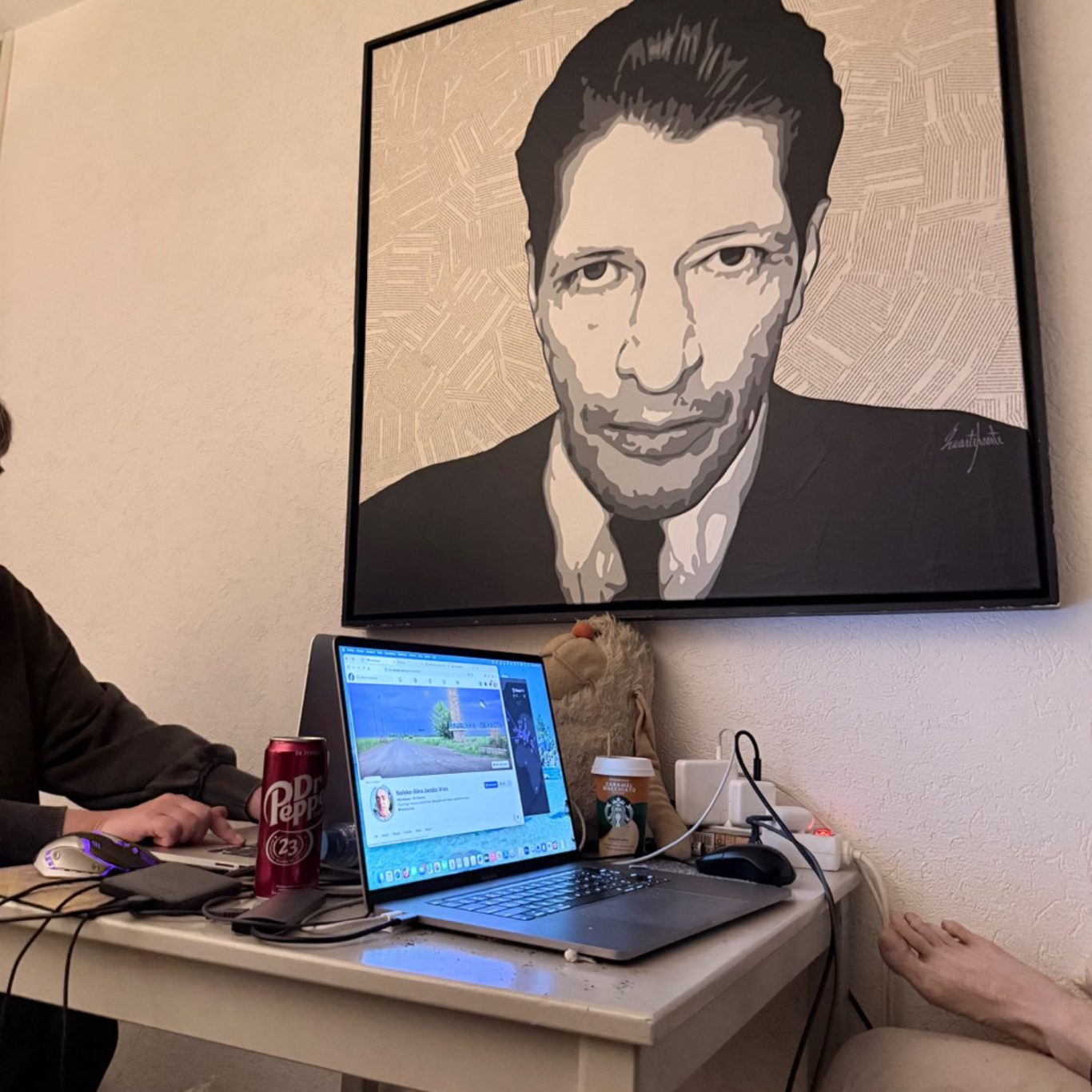
Meet the Team Behind the Nelleke de Vries..
The project is led by:
"Nelleke de Vries" and a dedicated team focused on truthful documentation and impact. We invite engagement with the archive to deepen understanding of continuity and recovery in
conflict-affected
Regions.